
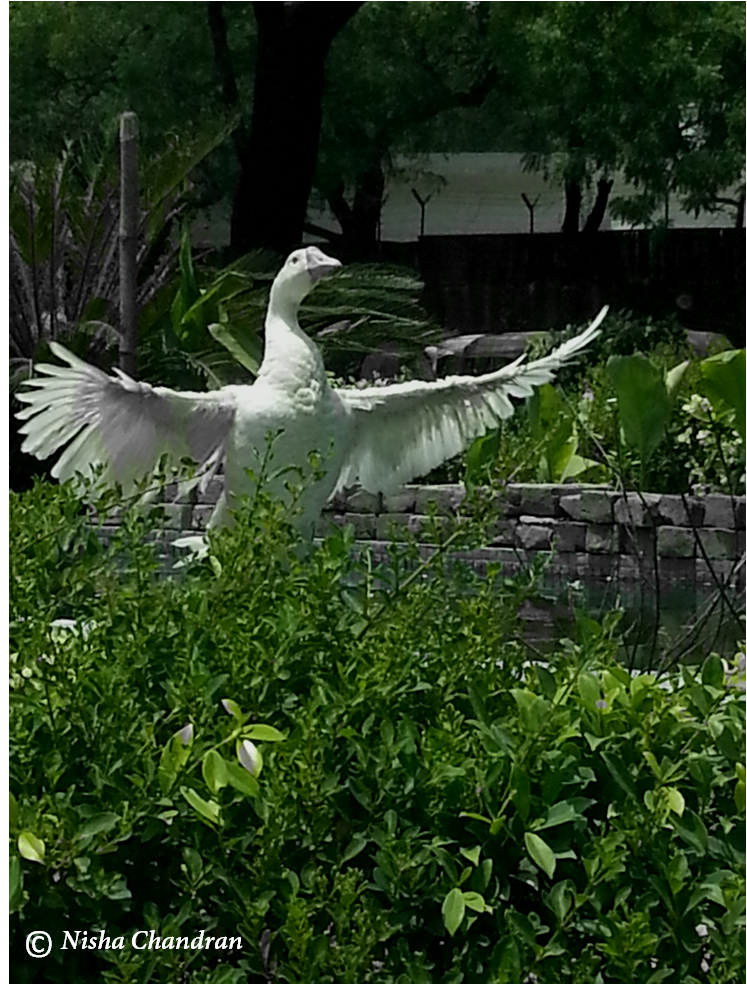
The King asked, “Does it still jump?”
The nephew said, “God forbid.”
“Does it still fly?”
“No.”
“Does it sing any more?”
“No.”
“Does it scream if it doesn’t get food?”
“No.”
The bird was brought. The King touched the bird. It neither opened its mouth nor uttered a word. All that he felt was the rustle of the pages from the books, stuffed inside its stomach, while the birds which did not attend the school were singing and dancing outside, heralding the arrival of the spring”.
Bahu vyay kari bahu desh ghure
Dekhite giyechchi parvat-mala,
Dekhit giyechchi sindhu
Dekha hoy naai chakshu meliya
Ghar hote shudhu dui paa pheliya
Ek ti dhaner shisher upare
Ek ti shishir-bindu”
I turned around and asked “Can you show me, the dew drop on a paddy?” To which another boy unhesitantly replied “You cannot see it now. You can only see it on a winter morning.” I was impressed by the child’s ability to observe and learn from ground realities and was reminded of the differences between a wild bird and a caged bird from Tagore’s poem on two birds, translated by Joy Forever.
All his jungle songs,
The caged bird speaks lines he was taught –
No match between their tongues.
The wild bird says, “Brother caged bird,
Sing some jungle songs please!”
The caged bird says, “Brother wild bird,
Let’s see you learn up these.”
The wild bird says, “No,
I don’t want songs that are taught.”
The caged bird says, “Alas,
Jungle songs I know not.”
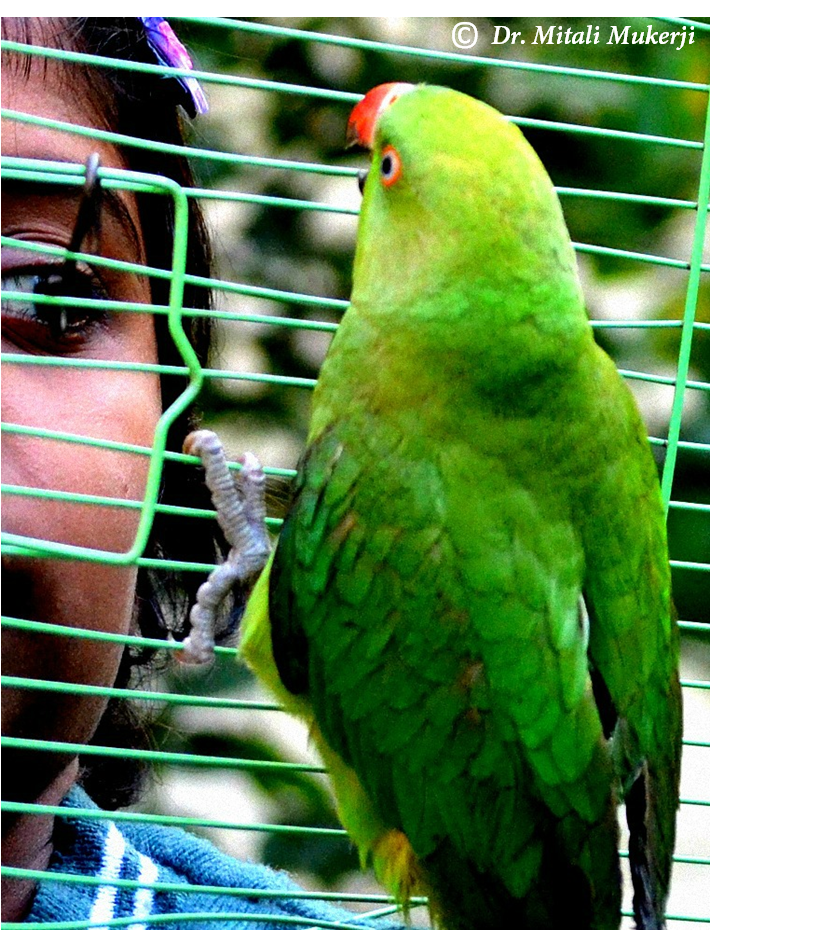
We indeed need to focus on the teachers. The teachers must be trained to encourage the students in school to ask questions like a wild bird that sings its own songs, flaps its wings and jumps around. In the words of Rabindranath Tagore “The highest education is that which does not merely give us information but makes our life in harmony with all existence.”
Blog Published on – September 20, 2014